
A day in Exeter
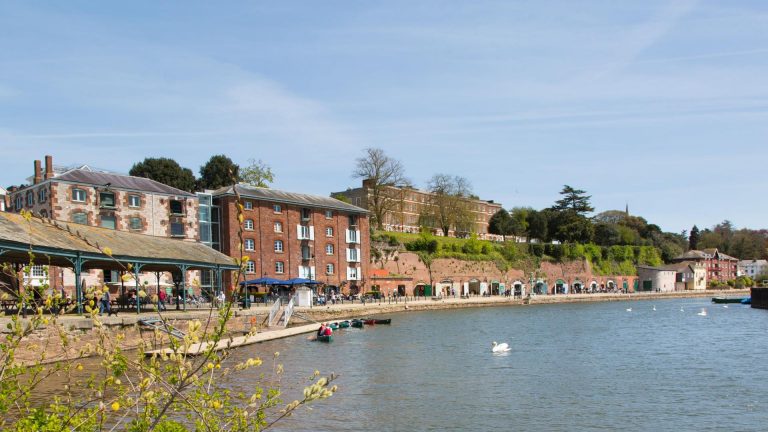
Choose a museum-led city day, cathedral visit or time by the quayside during your East Devon cottage holiday.
Read the guide: A day in Exeter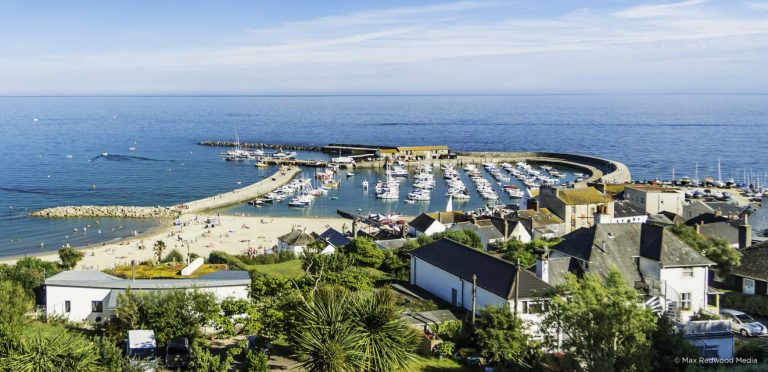
A day in Lyme Regis
Explore the Cobb and seafront, then follow Mary Anning’s story at Lyme Regis Museum or on a booked fossil walk.
Read the guide: A day in Lyme Regis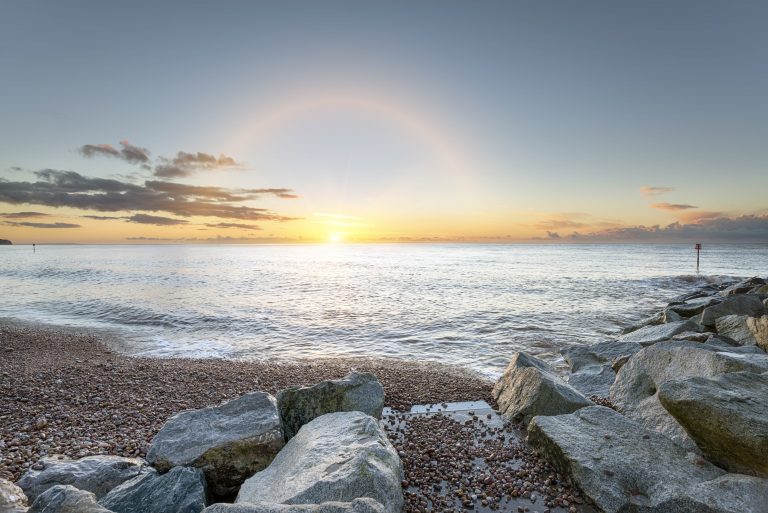
A day in Sidmouth
Seafront views, Connaught Gardens and the quieter riverside setting of The Byes make Sidmouth a varied coastal outing.
Read the guide: A day in SidmouthAllhallows Museum: Honiton lace and local history
Look beyond Honiton’s shops at Allhallows Museum, where lace, pottery, fossils and local objects tell the town’s story. An indoor stop for a more detailed exploration of the area during your cottage stay.
Read the guide: Allhallows Museum: Honiton lace and local history
An evening tour at Otter Brewery
Book a brewery evening in Luppitt to learn about production, sample beer and eat with the group.
Read the guide: An evening tour at Otter BreweryBeer Quarry Caves: a guided underground visit
A guided quarry tour beneath Beer, with cool chambers, stone-working history and lead-dog access. Booking is preferred.
Read the guide: Beer Quarry Caves: a guided underground visitBicton Park Botanical Gardens: a varied day out
Gardens, glasshouses, a museum and play areas at Bicton, with specific arrangements for dogs and visitors using mobility aids.
Read the guide: Bicton Park Botanical Gardens: a varied day out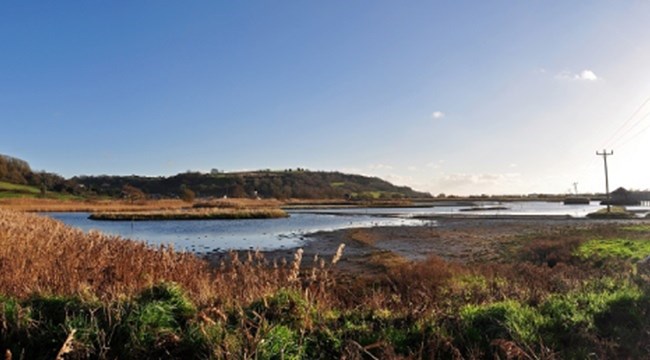
Birdwatching at Seaton Wetlands
Explore level paths and bird hides beside the Axe Estuary. Pet dogs cannot enter this nature reserve.
Read the guide: Birdwatching at Seaton WetlandsBlackbury Camp: a woodland hillfort walk
Follow the banks of a wooded Iron Age enclosure at Blackbury Camp. A natural-surface walk with lead-dog access and no visitor facilities.
Read the guide: Blackbury Camp: a woodland hillfort walk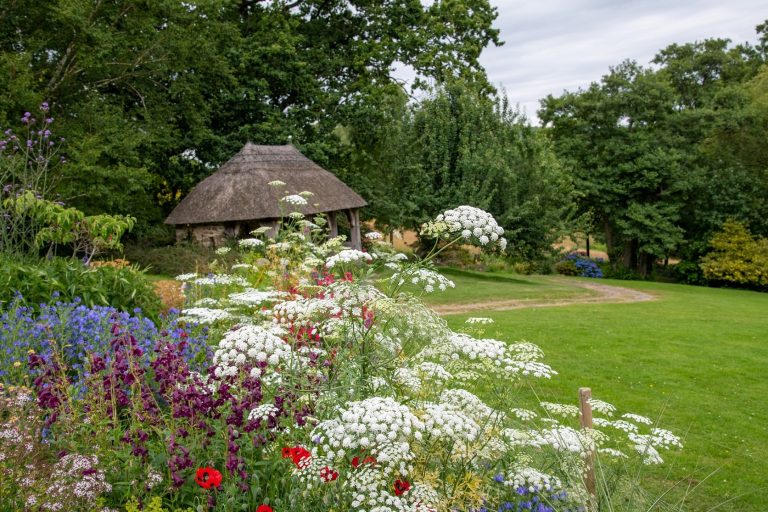
Burrow Farm Gardens near Axminster
Explore seasonal borders, a wildflower meadow and a plant nursery at Burrow Farm Gardens. Dogs are welcome on leads.
Read the guide: Burrow Farm Gardens near AxminsterCadhay House and Gardens: seasonal open days
A Tudor house tour or garden visit near Ottery St Mary, available on Cadhay’s seasonal open days. Lead dogs may visit the gardens.
Read the guide: Cadhay House and Gardens: seasonal open days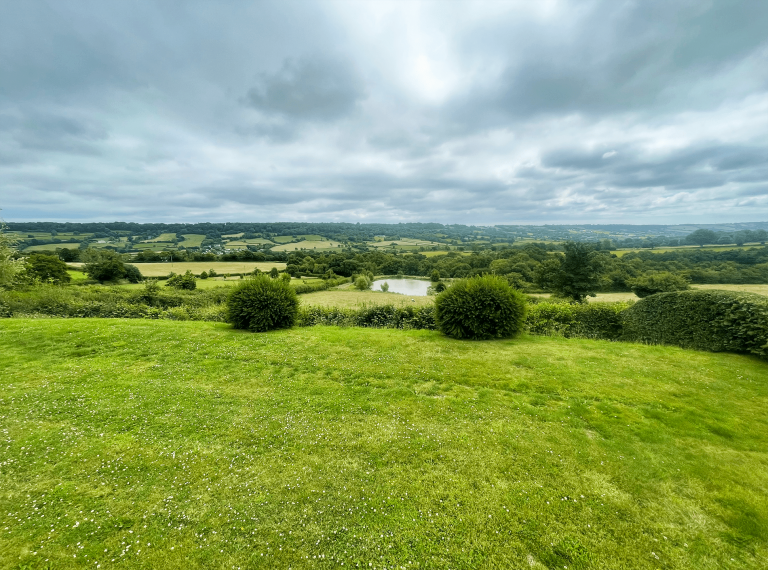
Circular walks in the Blackdown Hills
Compare a hill-and-village circuit at Broadhembury with the longer Dalwood and Yarty Valley route.
Read the guide: Circular walks in the Blackdown Hills